
Sustainability
We believe that addressing the climate impact of aviation is essential to preserving the vital role that air travel plays in global connectivity. That is why we continue to focus on decarbonizing our airline operations, with the aspiration of achieving net-zero emissions by 2050. Our sustainability strategy supports our net-zero aspirations through three pillars: What We Fly, How We Fly, and the Fuel We Use.
What We Fly
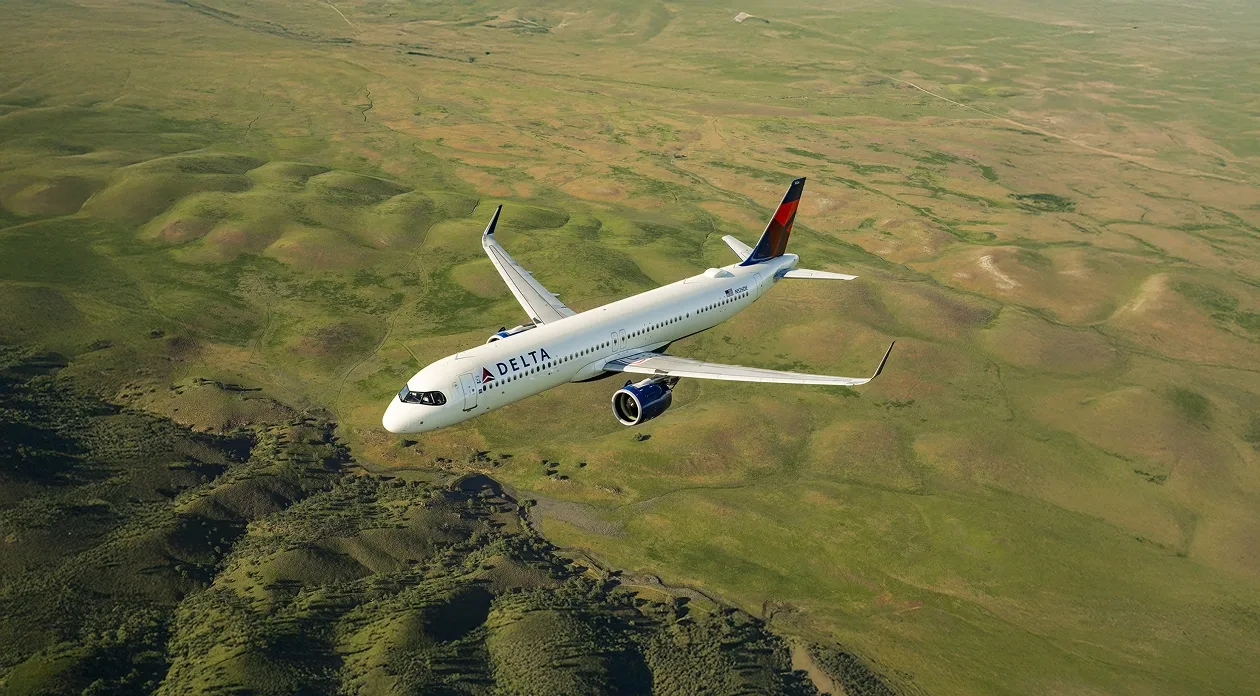
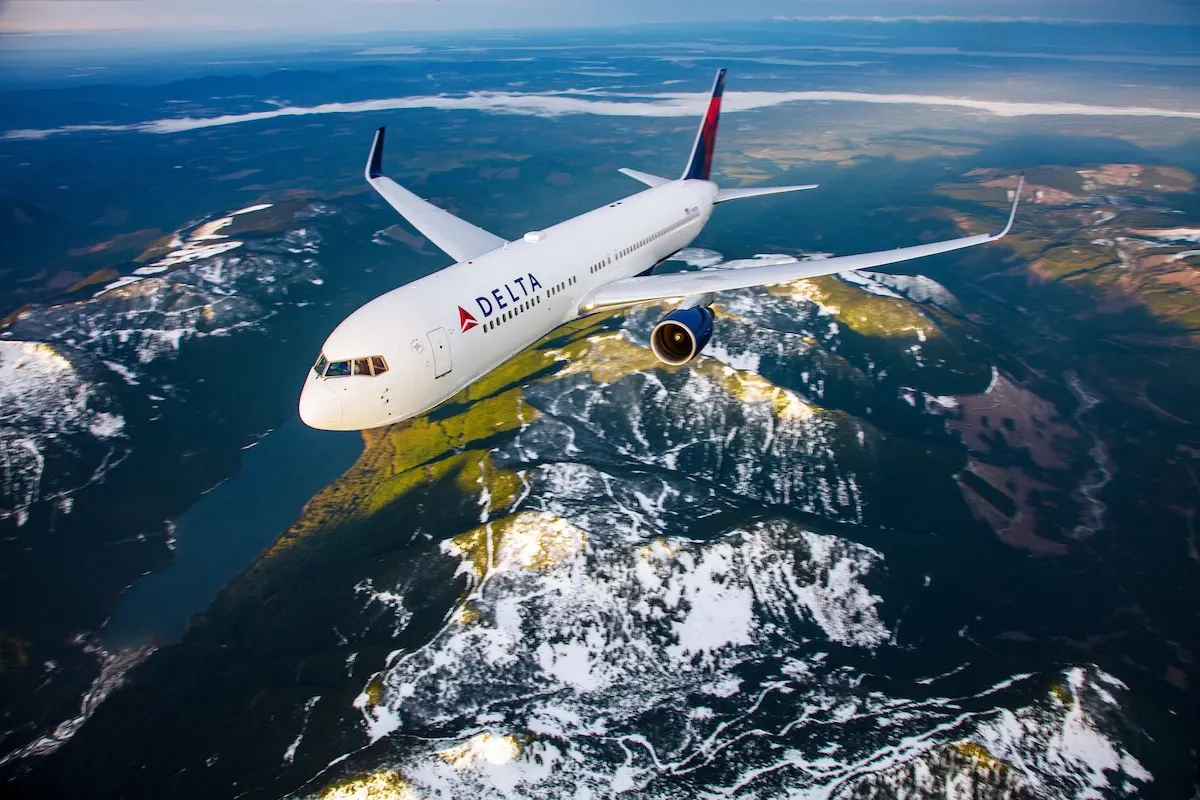
Investments in our fleet are foundational. By upgauging our planes and retiring older aircraft with next-gen models, we improve our fuel efficiency. In 2025, we added 38 Next-Gen fleet that are on average 27% more fuel efficient per seat mile than those Delta retired since 2019. We’re also partnering with leading innovators to shape the next generation of aviation, including JetZero, whose blended-wing-body aircraft could cut fuel use by up to 50%.

How We Fly
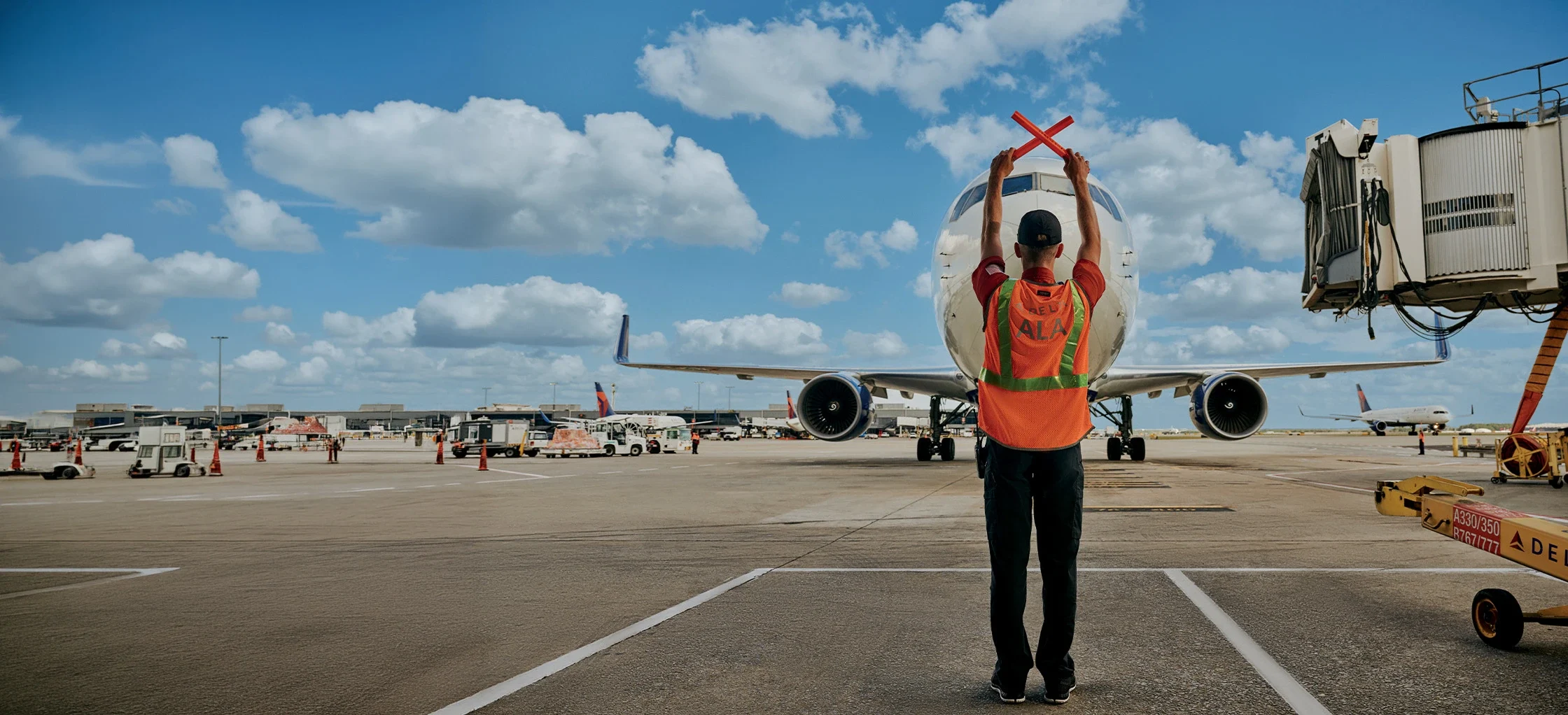
As of 2026, Delta is already saving nearly 60M gallons of fuel annually* by optimizing flight routing and planning, modifying aircraft to reduce drag or improve engine performance, and reducing the weight of the aircraft. We also continue to explore opportunities - our Sustainable Skies Lab works with innovators to develop and test next-generation technology aimed at reducing fuel burn.
*Compared to 2019 and based on our projected fuel usage had we not undertaken these initiatives
How We Fly
As of 2026, Delta is already saving nearly 60M gallons of fuel annually* by optimizing flight routing and planning, modifying aircraft to reduce drag or improve engine performance, and reducing the weight of the aircraft. We also continue to explore opportunities - our Sustainable Skies Lab works with innovators to develop and test next-generation technology aimed at reducing fuel burn.
*Compared to 2019 and based on our projected fuel usage had we not undertaken these initiatives
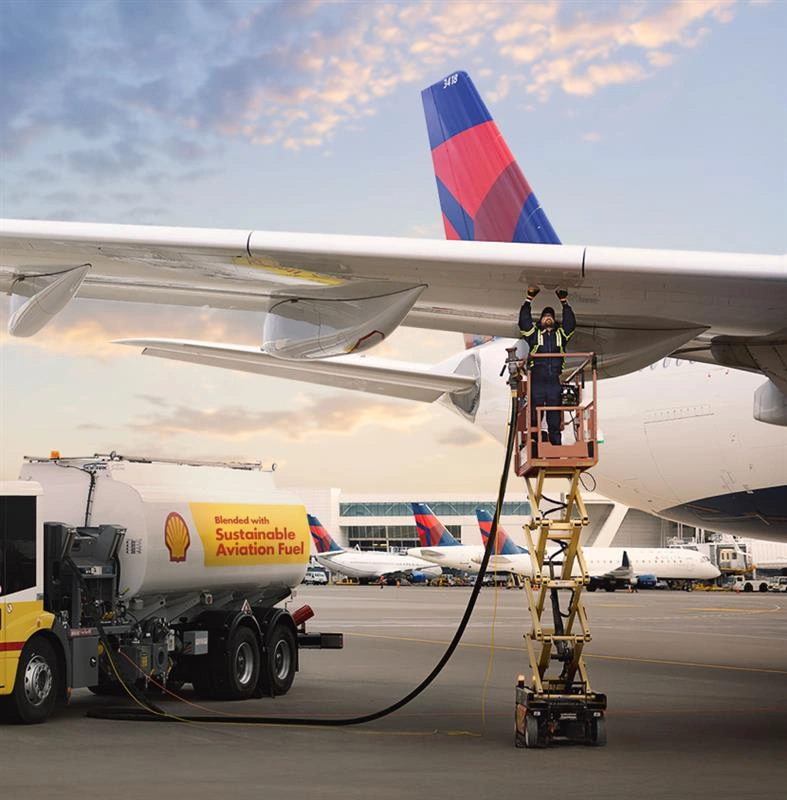
One of the most important levers for decarbonizing flight is sustainable aviation fuel (SAF), reducing lifecycle emissions from jet fuel by up to 80%. Delta continues to increase SAF usage year over year, procuring over 23 million gallons in 2025 — over 80% more than in 2024. Delta is committed to being a key player in the growth of the SAF industry, and we support scaling SAF production by engaging across the development value chain.
Sustainability Videos
Delta’s Sustainable Skies Lab

JetZero Blended-Wing-Body
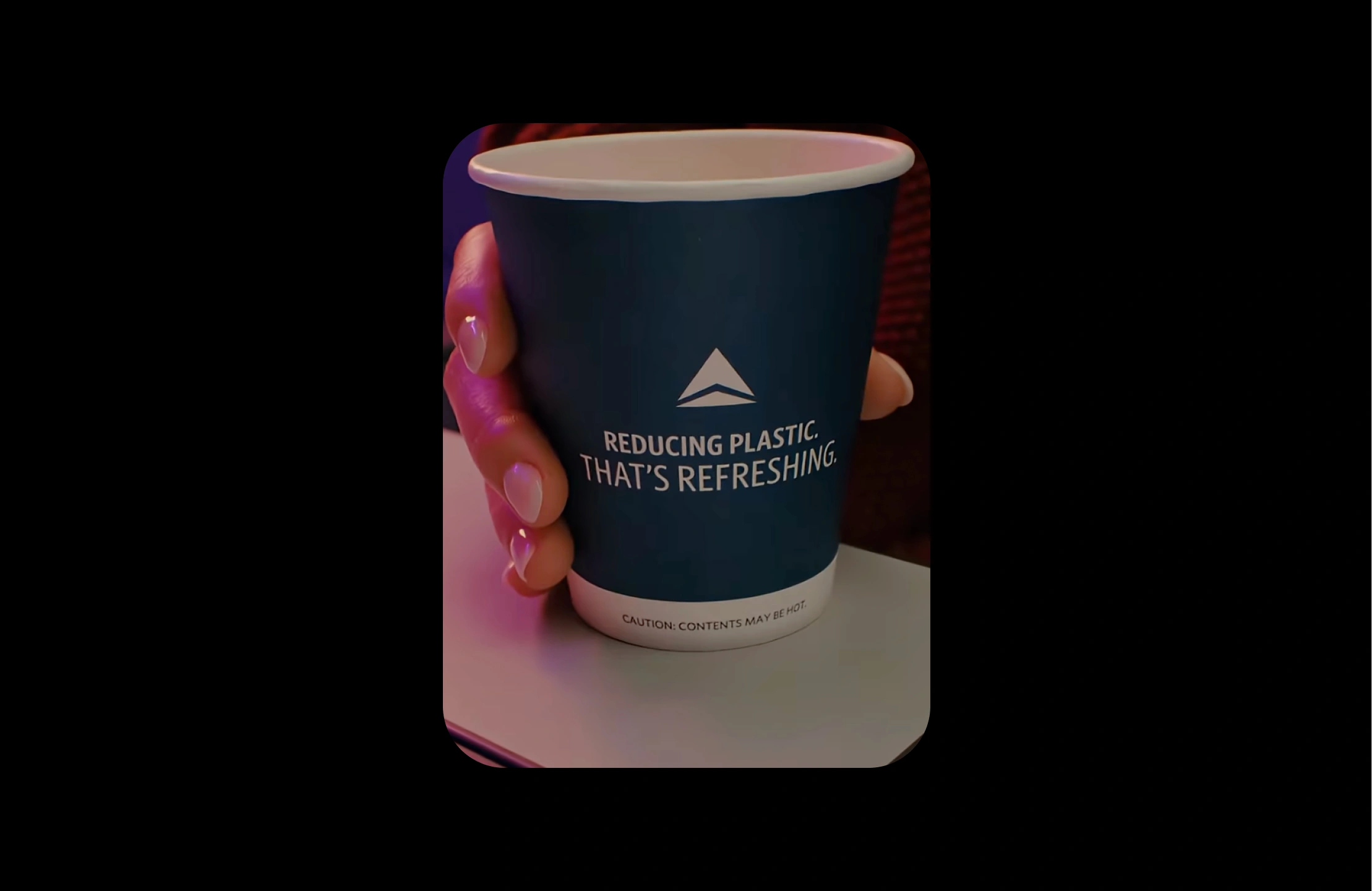
Delta’s Innovative Paper Cup
fello’fly

Watch more Delta Sustainability Videos
Sustainability Partner Highlight

Commitment to Transparency

News Feed
View all of our sustainability updates.
Policies
Statements on this webpage that are not historical facts, including statements regarding our expectations and goals, should be considered “forward-looking statements” under the federal securities laws and involve a number of risks and uncertainties that could cause actual results to differ materially from the expectations and goals. These risks and uncertainties include, but are not limited to, those described in our filings with the Securities and Exchange Commission. We undertake no obligation to update any forward-looking statements except to the extent required by law.